Pilot deployment
Unitree
H2
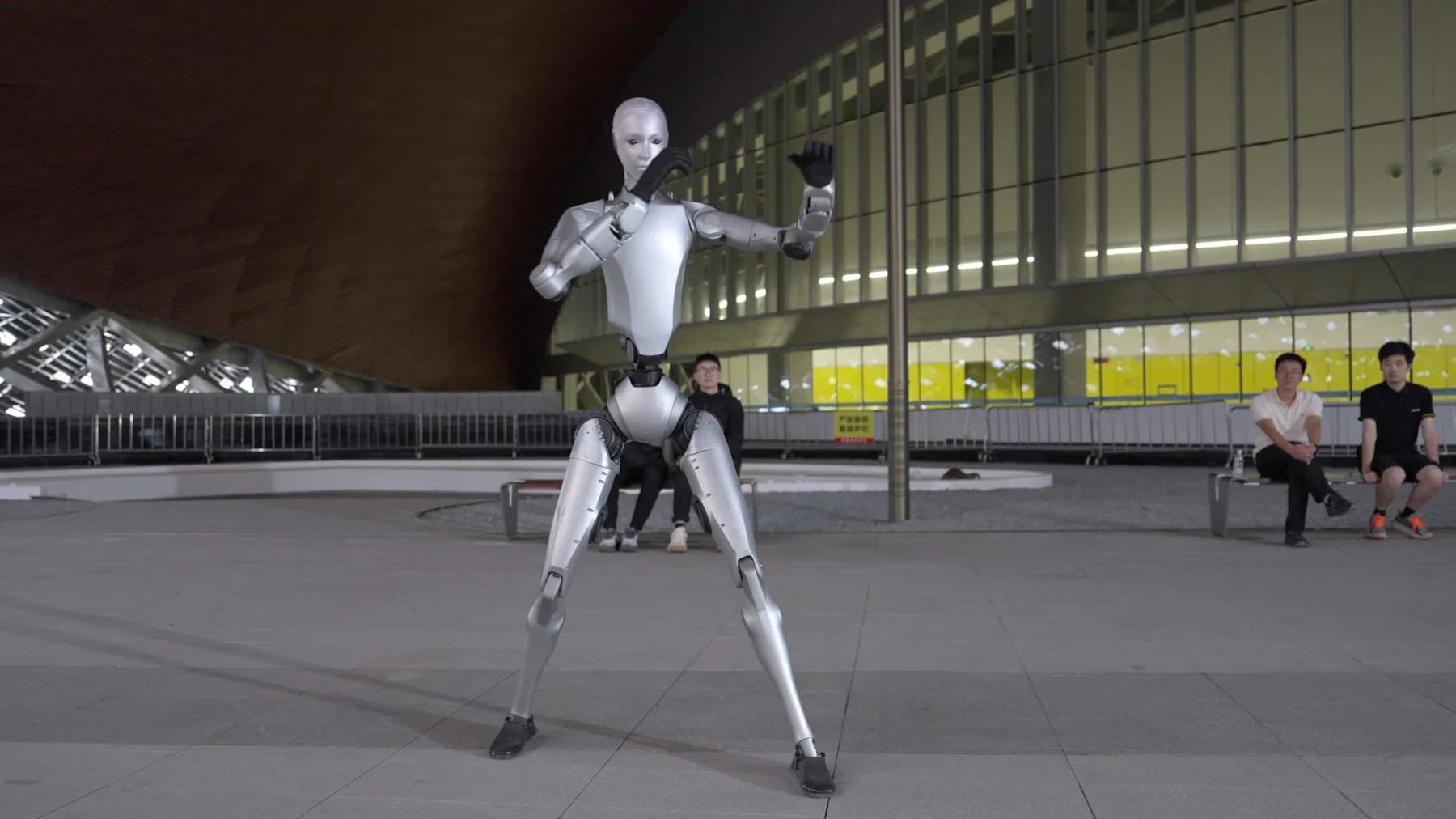
Unitree's fourth humanoid robot and second full-size model after the H1, launched on October 20, 2025 and desc…
Height182 cm
Degrees of freedom31
Arm payload7 kg
IndustrialService & retail
CN¥199,000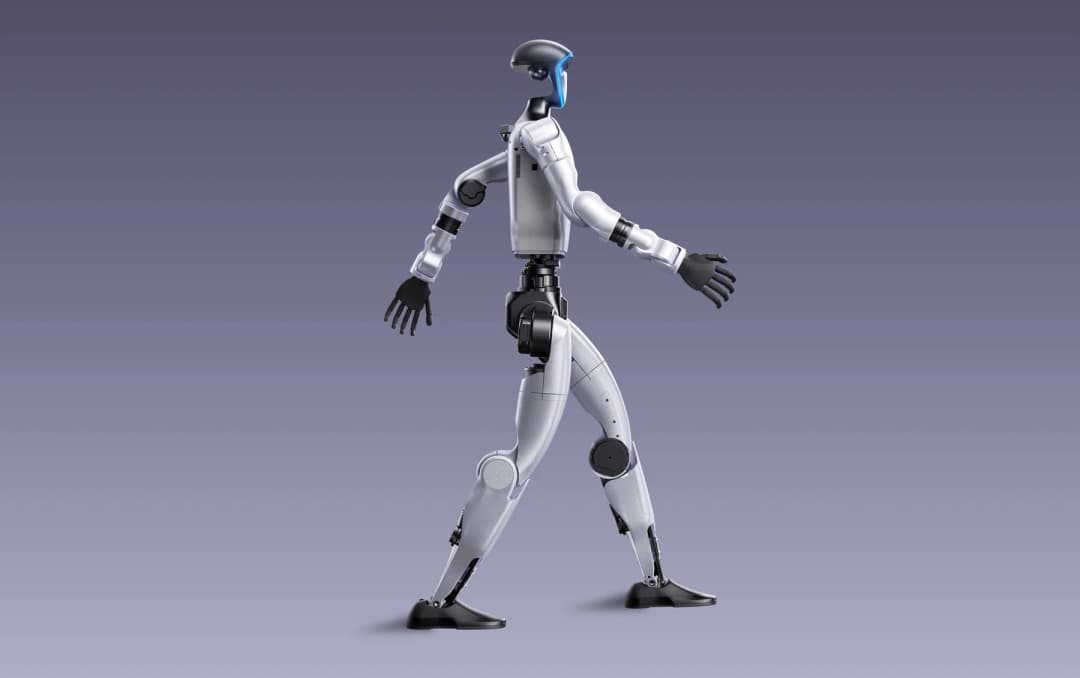
Unitree's second humanoid robot and first small-scale model, launched on May 13, 2024 and billed by the company as "a humanoid agent, an AI avatar."
Unitree G1 is Unitree Robotics' second humanoid robot, released on May 13, 2024, and its first small-scale humanoid; the company describes it as "a humanoid agent, an AI avatar." The robot stands about 132 cm tall and weighs about 35 kg, supports folding for storage (690×450×300 mm when folded), and has 23 degrees of freedom in the base version (6 per leg, 5 per arm, 1 in the waist), with the EDU version configurable from 23 to 43 DOF; knee joint torque reaches 90 N·m (120 N·m on the EDU), arm payload is about 2 kg (about 3 kg on the EDU), and trotting speed exceeds 2 m/s.
Priced from CNY 99,000, far below market expectations, it was dubbed the "price butcher" by the media and pushed humanoid robots into the sub-CNY 100,000 era. The G1 carries an 8-core high-performance CPU (the EDU version can be fitted with an NVIDIA Jetson Orin), comes with 3D LiDAR and a depth camera, and supports imitation learning and reinforcement learning, enabling demanding moves such as dynamic stand-up, sitting down and folding up, jumping, in-place side flips, and kip-ups; it supports OTA upgrades and secondary development (EDU version).
The G1 was the world's best-selling humanoid robot in 2024–2025: Unitree shipped more than 5,500 humanoid robots in 2025, ranking first worldwide, with the G1 as the core contributor. The G1 also competed in combat events at the 2025 World Humanoid Robot Games and walked the runway at Shanghai Fashion Week.
| Height | 132 cm |
|---|---|
| Weight | 35 kg |
| Dimensions | Standing 1320×450×200 mm; 690×450×300 mm folded; shank + thigh length 0.6 m, arm span about 0.45 m |
| Material | High-strength aluminum alloy and lightweight composite materials |
| Form factor | Compact |
| Locomotion | Bipedal |
|---|---|
| Degrees of freedom | 23 |
| DOF breakdown | 23 total (base): 6 per leg, 1 waist, 5 per arm; EDU 23–43 with optional waist/head and hand DOF |
| Arm payload | 2 kg |
| Top speed | 7.2 km/h |
| Battery life | 2 h |
| Battery | 420 Wh |
| Peak joint torque | 90 N·m |
| Actuators | Low-inertia high-speed inner-rotor permanent magnet synchronous motors; maximum knee torque 90 N·m (120 N·m on the EDU version); industrial-grade crossed roller bearings |
| Speed notes | Trotting speed above 2 m/s (official figure at launch) |
| Battery notes | 13-cell lithium battery, 9000 mAh (about 0.42 kWh); quick-release smart battery; 54 V/5 A charger |
| Compute | Base version: 8-core high-performance CPU; EDU version: optional NVIDIA Jetson Orin high-compute module |
|---|---|
| Sensing | 3D LiDAR (DJI Livox MID-360) · Depth camera (Intel RealSense D435i) · 4-microphone array · 5 W speaker |
| Hands | No dexterous hands on the base version; the EDU version offers the Dex3-1 force-controlled three-finger dexterous hand (7 DOF) plus 2 wrist DOF |
| Hand DOF | 7 |
| Connectivity | WiFi 6, Bluetooth 5.2 |
| Starting price | CN¥99,000 — At launch in May 2024, starting price CNY 99,000 (base version); the official website now lists the G1 base version at US$13.5K (taxes and shipping extra) |
| Availability | On sale now; base version US$13.5K, EDU via sales |
|---|---|
| SDK | Unitree SDK2 and open control interfaces (EDU) |
| Software / OS | UnifoLM / UnifoLM-WMA |
| Deployments & partners | Research, education and developer use; sold direct and through distributors |
Claims on this profile are linked to primary reporting and manufacturer material where available.
Specifications are sourced from public materials and may change. Always confirm commercial terms with the manufacturer.
Unitree's fourth humanoid robot and second full-size model after the H1, launched on October 20, 2025 and desc…
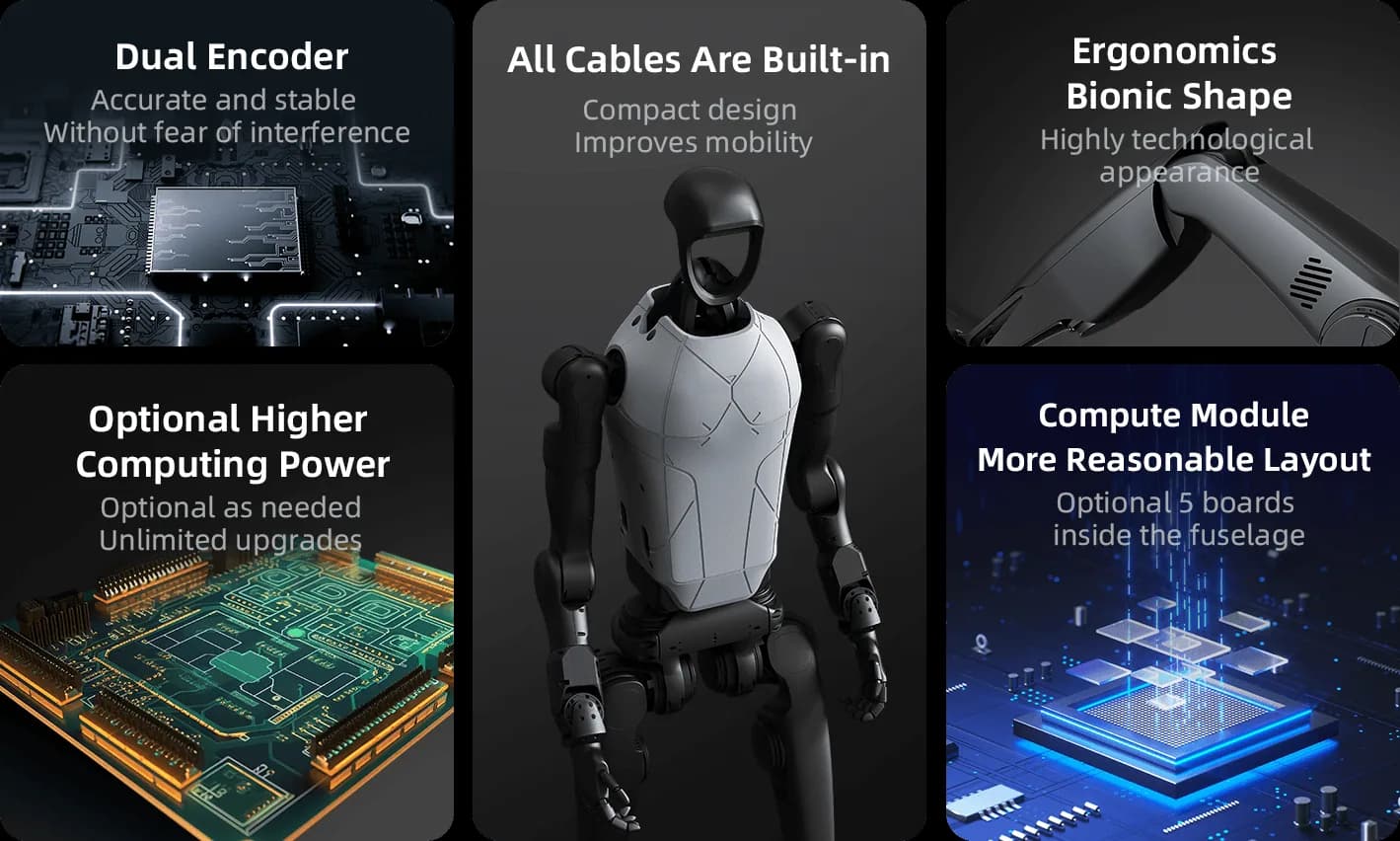
Unitree's first general-purpose humanoid robot, released in August 2023 and nicknamed "Fuxi," it was also Chin…
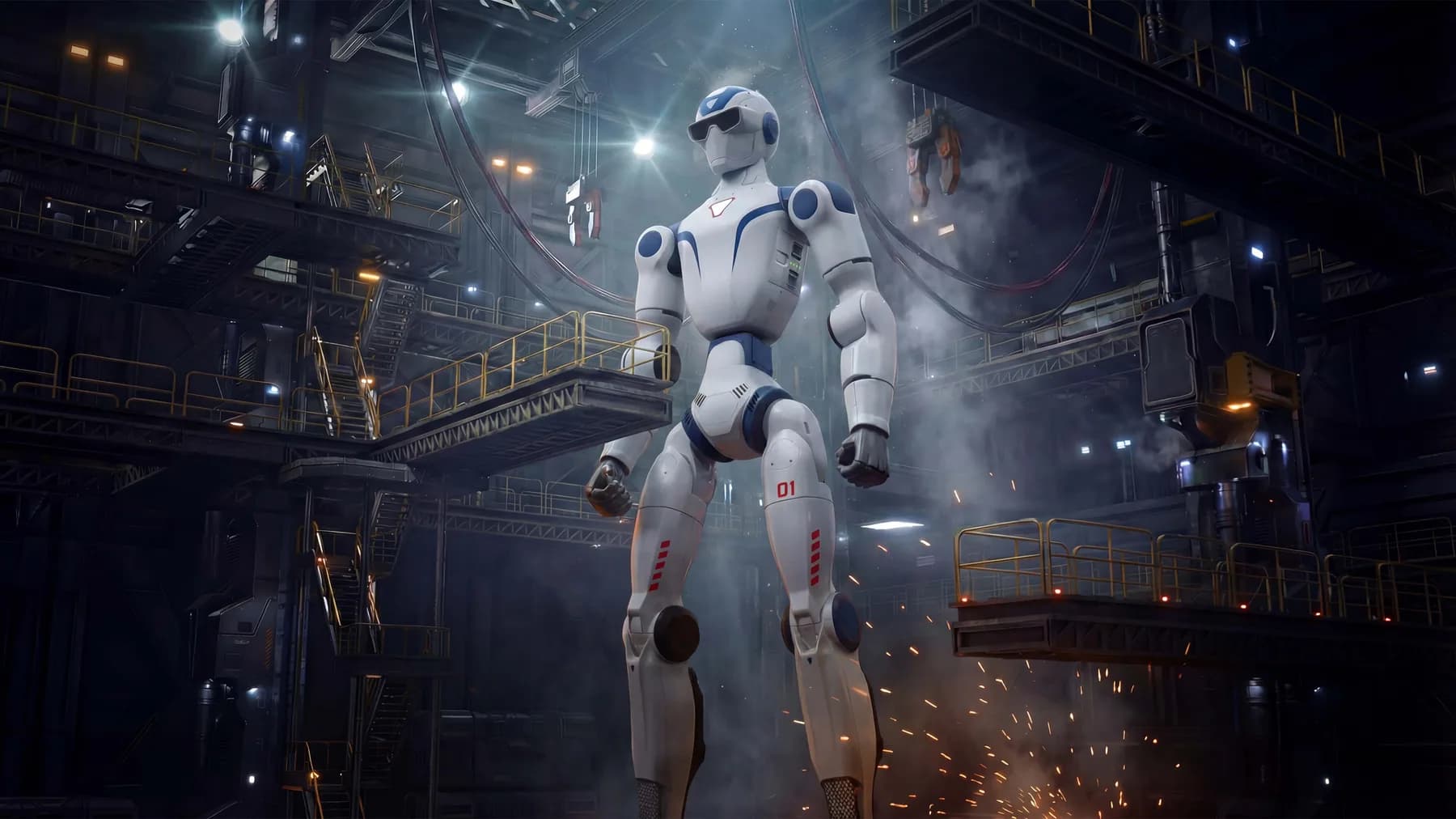
Unitree's third humanoid robot, launched on July 25, 2025 as a lightweight small-to-medium biped, built around…
A dual-arm upper-body humanoid built on Unitree's cost-effective R1 platform, offered in four fixed-base and m…