
Mass production
SoftBank Robotics
NAO 6
The world's most widely used small humanoid: 25 degrees of freedom for classrooms and RoboCup.
Height57 cm
Degrees of freedom25
Arm payload—
EducationResearch
Price on request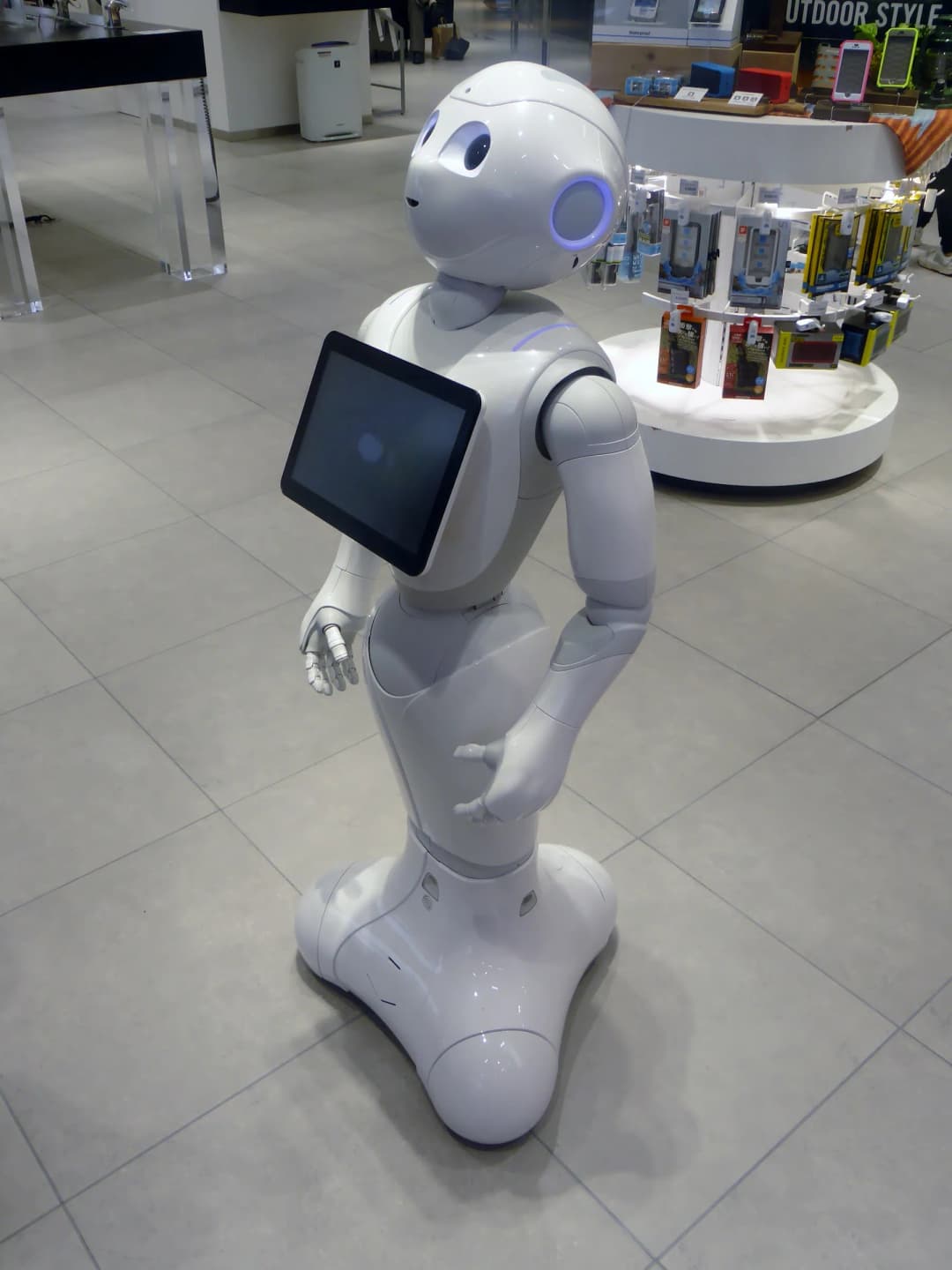
Pepper is the world's first mass-produced social humanoid robot, developed jointly by SoftBank Group and France's Aldebaran Robotics and launched in Japan in June 2014, standing 120 cm tall, weighing 28 kg, with 20 degrees of freedom.
Pepper is the world's first mass-produced social humanoid robot, developed jointly by SoftBank Group and France's Aldebaran Robotics and launched in Japan in June 2014. It stands 120 cm tall, weighs 28 kg and has 20 degrees of freedom across its body. It can communicate with people through speech, facial expressions and touch, and its core capability is 'emotion recognition': judging human emotions from facial expressions and voice and responding accordingly.
Pepper is positioned as 'a robot that can keep people company': the Japanese home version was priced from ¥198,000 (about RMB 16,000), and it long appeared in a leading role at SoftBank stores, banks, shopping malls, schools and hospitals as a sales assistant, greeter, receptionist and educational aide. Global deployments once reached tens of thousands of units, making it one of the best-selling humanoid robots. It runs on the NAOqi operating system and offers the Pepper SDK and 'cloud brain' (Cognitive) services for further development.
In June 2021 SoftBank announced that it would stop producing Pepper (maintenance and software support would continue only for existing customers), marking the end of an era. Pepper's commercialization has provided an important reference for the humanoid robot industry that followed, especially social and service robots, and its 'humanoid + emotional interaction' design language has had a lasting influence.
| Height | 120 cm |
|---|---|
| Weight | 28 kg |
| Form factor | Compact |
| Locomotion | Wheeled |
|---|---|
| Degrees of freedom | 20 |
| DOF breakdown | Head 2 · arms 12(per arm 6) · waist 2 · legs 4(per leg 2 wheeled feet) · hands(per hand 1) |
| Top speed | 3 km/h |
| Battery life | 12 h |
| Battery | 795 Wh |
| Speed notes | Wheeled base; top speed about 3 km/h |
| Battery notes | 795 Wh battery, about 12 hours of runtime (depending on use) |
| Compute | NAOqi OS (Aldebaran's operating system), with the Pepper SDK |
|---|---|
| Sensing | 3D camera · Four microphones (both ears) · Tactile sensors (head/hands) · LiDAR · Ultrasonic sensors · Gyroscope |
| Hands | 1-DOF mechanical hand (no finger joints; can clench into a fist or open the palm) |
| Connectivity | Wi-Fi / 4G; supports voice dialogue (Chinese, Japanese, English, etc.) |
| Starting price | ¥198,000 — First-year pricing for the Japanese home version started at ¥198,000 (including a monthly service fee) |
| Availability | Discontinued / archived |
|---|
Claims on this profile are linked to primary reporting and manufacturer material where available.
Specifications are sourced from public materials and may change. Always confirm commercial terms with the manufacturer.
The world's most widely used small humanoid: 25 degrees of freedom for classrooms and RoboCup.
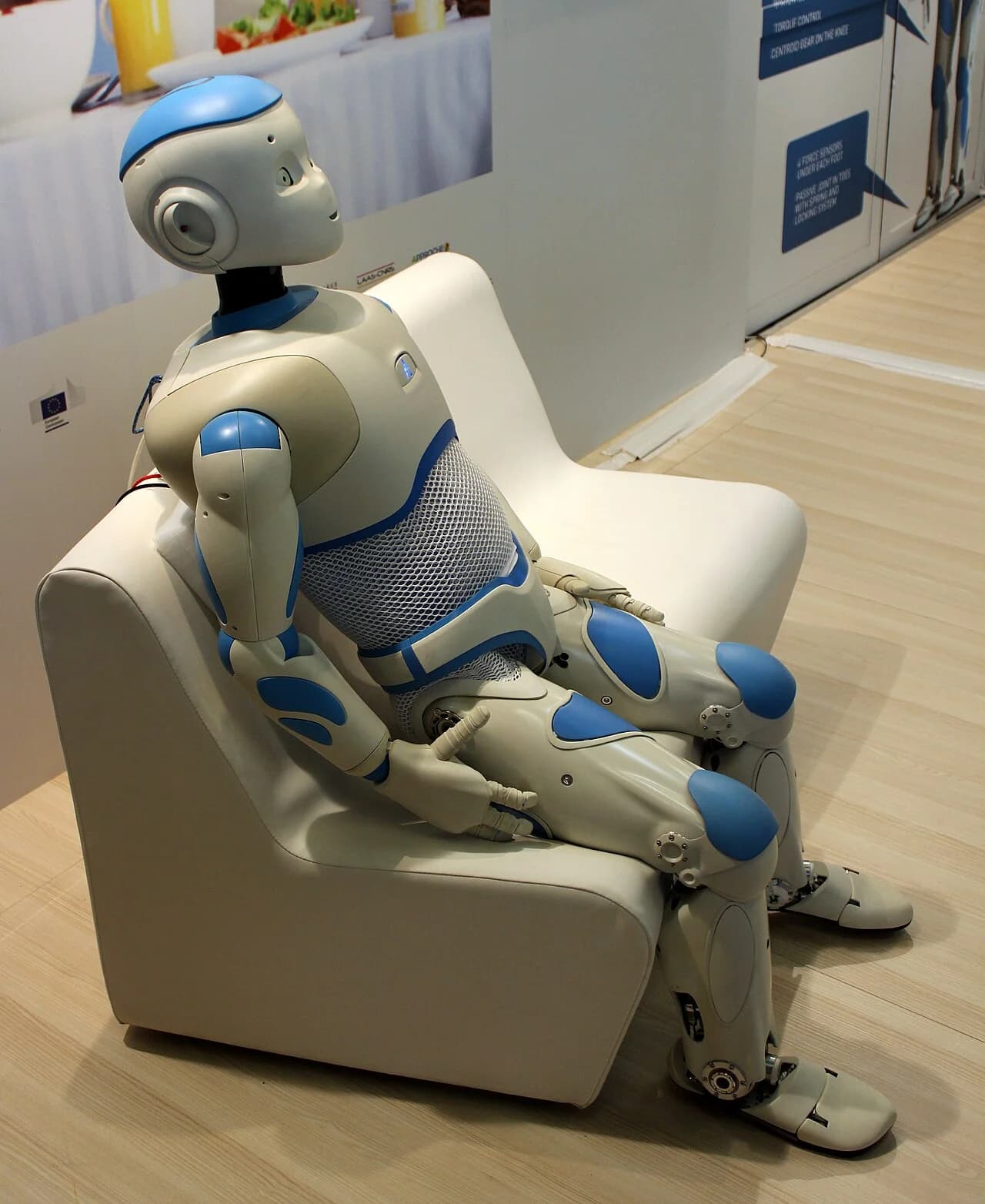
Aldebaran's 1.4 m elderly-assistance humanoid, the ambitious big brother to NAO.
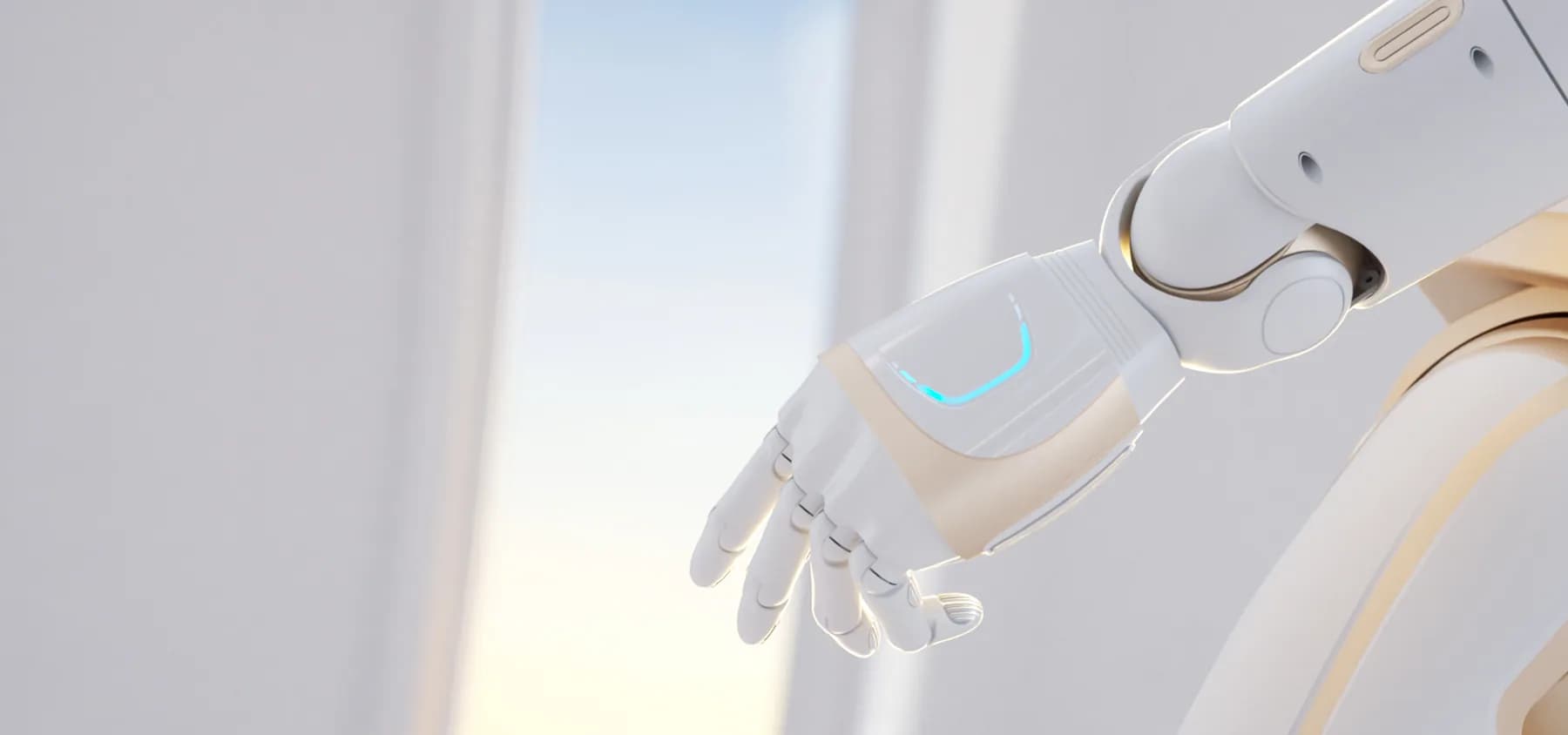
UBTech's next-generation large humanoid service robot, globally unveiled at WAIC 2021 in Shanghai on July 7, 2…

UBTech's consumer-grade full-size ultra-bionic humanoid, launched in Shenzhen on June 30, 2026 as the high-spe…